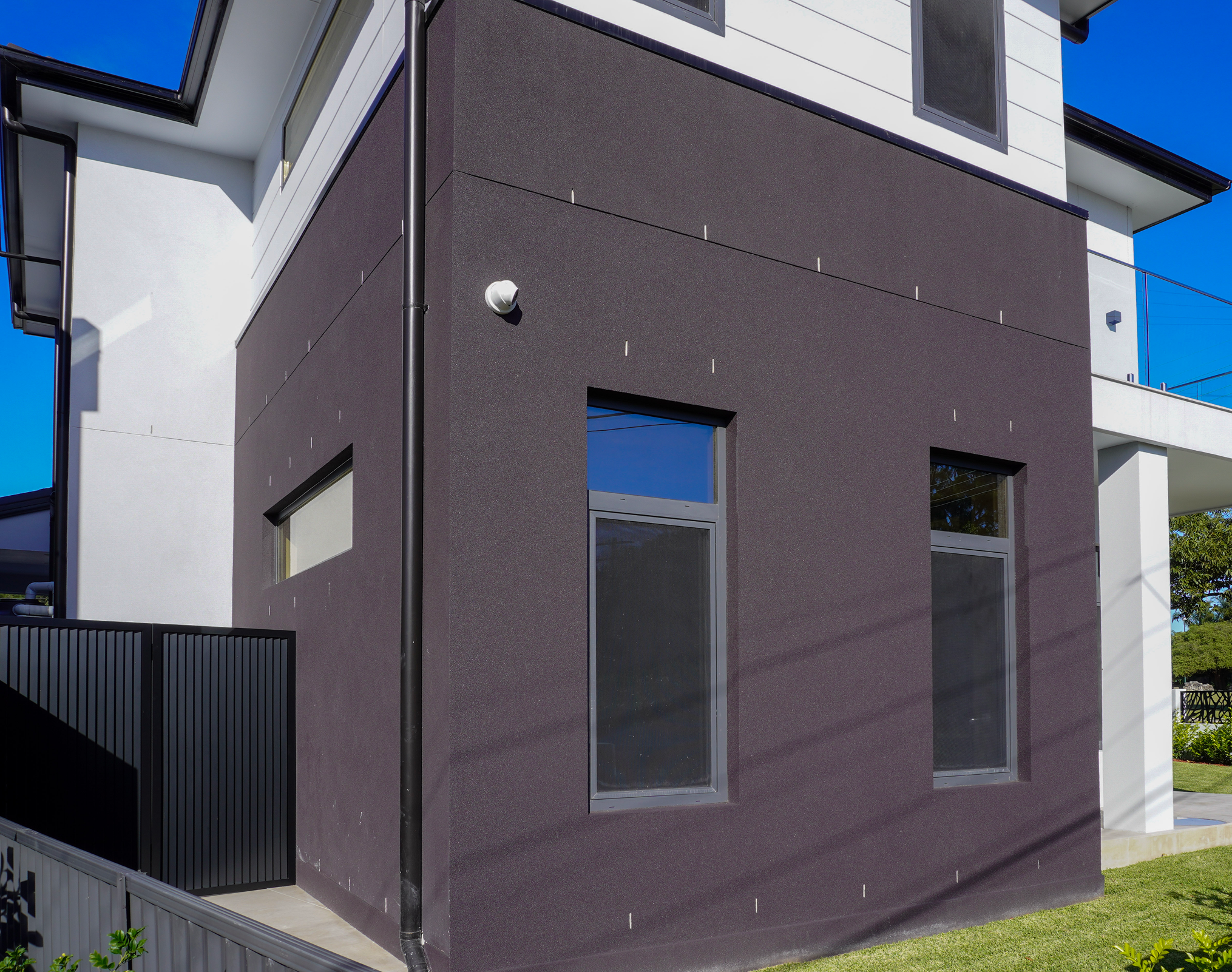
Whether it is a subtle caulked line in plaster or a bold expansion gap in a facade, joints are frequently viewed as the Achilles’ heel of a clean design. However, the reality of construction is governed by the laws of physics rather than the ideals of a mood board. Understanding why these elements exist, and why everyone try so hard to avoid them, is the first step toward mastering the balance between performance and visual purity.

The hatred directed toward joints stems primarily from their tendency to disrupt visual continuity, effectively “killing” the seamless aesthetic that modern minimalism craves. By norm joints are non-negotiable: every interface between two different substrates requires a transition joint, and any long element exceeding 6 meters must account for thermal expansion and contraction joint.
While high-performance rendering systems like the STO Armat offer the rare luxury of joint-free finishes, their cost is significantly higher than standard ranges, leaving most projects to grapple with visible seams. When poorly executed, these joints become focal points for dirt, moisture (even worse if it is not silicone sealed), or misalignment, reinforcing the public perception that a joint is a failure of design rather than a functional requirement.
Figure 1 – Joint between external micro cement (Russian stamp finish) and texture finish painted. Project WS0412 The Crescent – Vaucluse, NSW
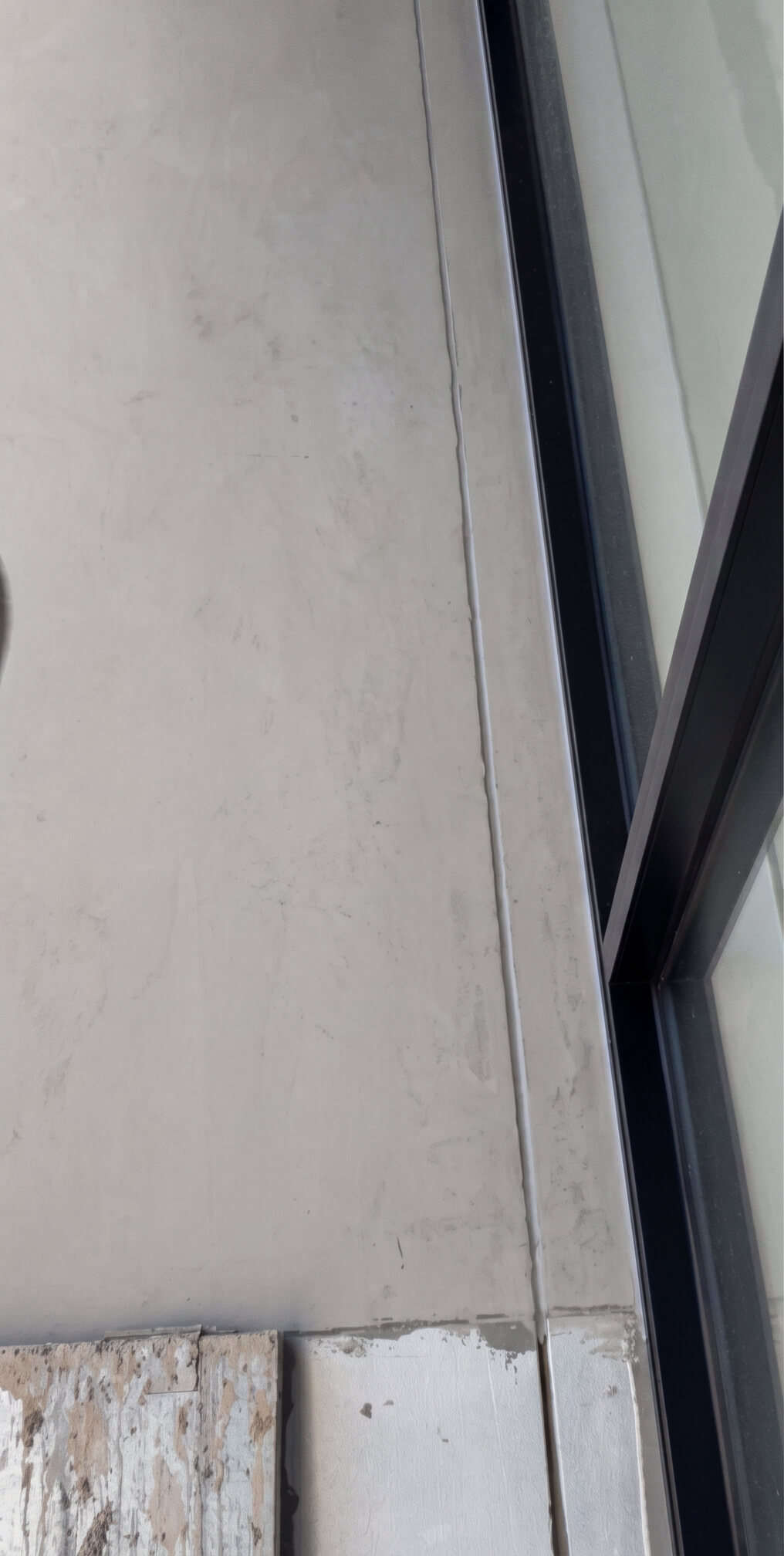
Figure 1 – Good example of joints poorly executed
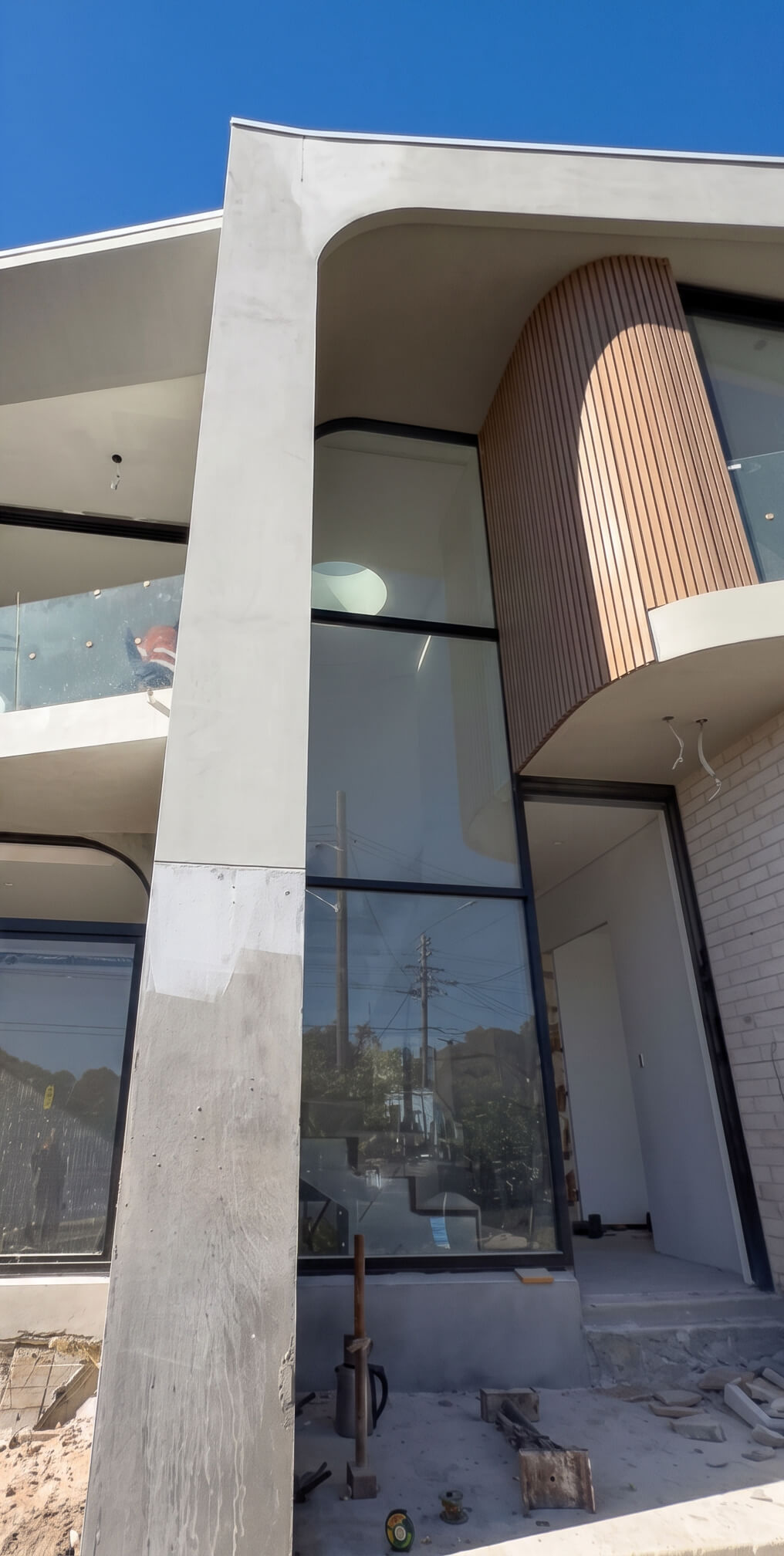
Figure 2 – Good example of joints poorly executed
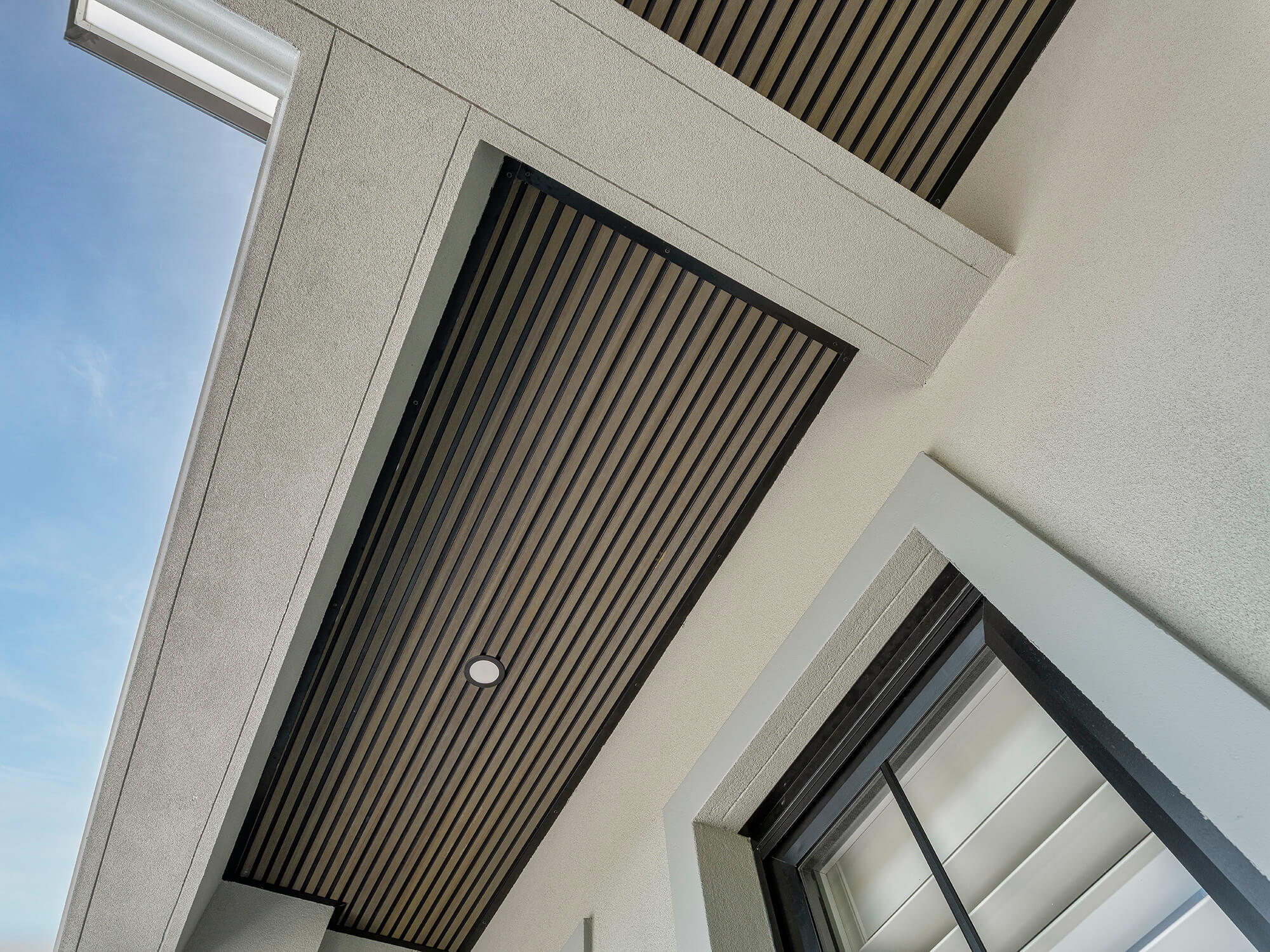
Despite their bad reputation, the “impact” of a joint is almost entirely dependent on the foresight of the installer. If a joint is properly integrated into the building’s geometry from the outset, its visual footprint is virtually neutralized while its performance benefits remain.
At WS Solutions, we challenge the notion that joints are an aesthetic burden. By prioritizing symmetry, sharp edges, and rigorous consistency, we work with builders, architects and designers to transform these functional necessities into intentional design features.
Figure 3 – A good example of a proper joint management and design. Project code WS0343 Baulkham Hills – NSW
In conclusion, while the industry may never truly love a good old joint, we must respect its role in ensuring the longevity and stability of a structure. The “hatred” usually come from poor planning and messy execution rather than the existence of the joint itself. By choosing a partner who values precision and understands the delicate dance between performance and beauty, you can achieve a finish that is as durable as it is visually seamless.